March 18, 2026
Constructing a functional and visually appealing pond requires more than excavation alone. Professional pond projects rely on careful planning, precise grading, responsible material handling, and efficient logistics. One of the most important yet often overlooked elements in this process is the role of hauling services. From transporting heavy machinery to removing soil and delivering construction materials, hauling services support nearly every phase of pond development. Without dependable hauling and grading support, even well-designed pond projects can encounter delays, safety concerns, and unnecessary environmental disruption.
Professional pond construction often involves large volumes of soil movement and material management. Contractors must ensure that earth is excavated, relocated, and shaped correctly to support the pond’s structure. Reliable hauling services make this possible by coordinating transportation, organizing material flow, and maintaining safe job site conditions. When handled by experienced professionals, hauling services improve efficiency and help ensure the project remains on schedule and within budget. Understanding how these services support each stage of construction highlights their essential role in successful pond development.
Planning the Site
Every pond project begins with a detailed evaluation of the land. Contractors assess soil conditions, terrain slopes, drainage patterns, and access routes before any excavation begins. During this planning phase, hauling services help move survey equipment, grading tools, and construction materials needed to prepare the site. Efficient transportation ensures that crews can begin work without unnecessary delays.
Site planning also involves determining the appropriate size and depth of the pond. According to Home Guide, farm ponds are typically one-quarter acre to five acres, six to 12 feet deep, and include an earthen embankment with emergency spillways and minimal landscaping. These specifications influence how much soil must be removed and how the surrounding land will be graded. Hauling services play a key role in supporting these calculations by providing the trucks and equipment necessary to move large amounts of earth safely and efficiently.
Another critical part of site planning is establishing safe access routes for heavy equipment. Dump trucks, excavators, and graders must be able to reach the construction area without damaging surrounding land or vegetation. Professional hauling services evaluate these access points and coordinate transportation routes that minimize disruption to the property. Proper planning ensures that equipment arrives on time and materials can be delivered exactly where they are needed throughout the project.
Excavating the Basin
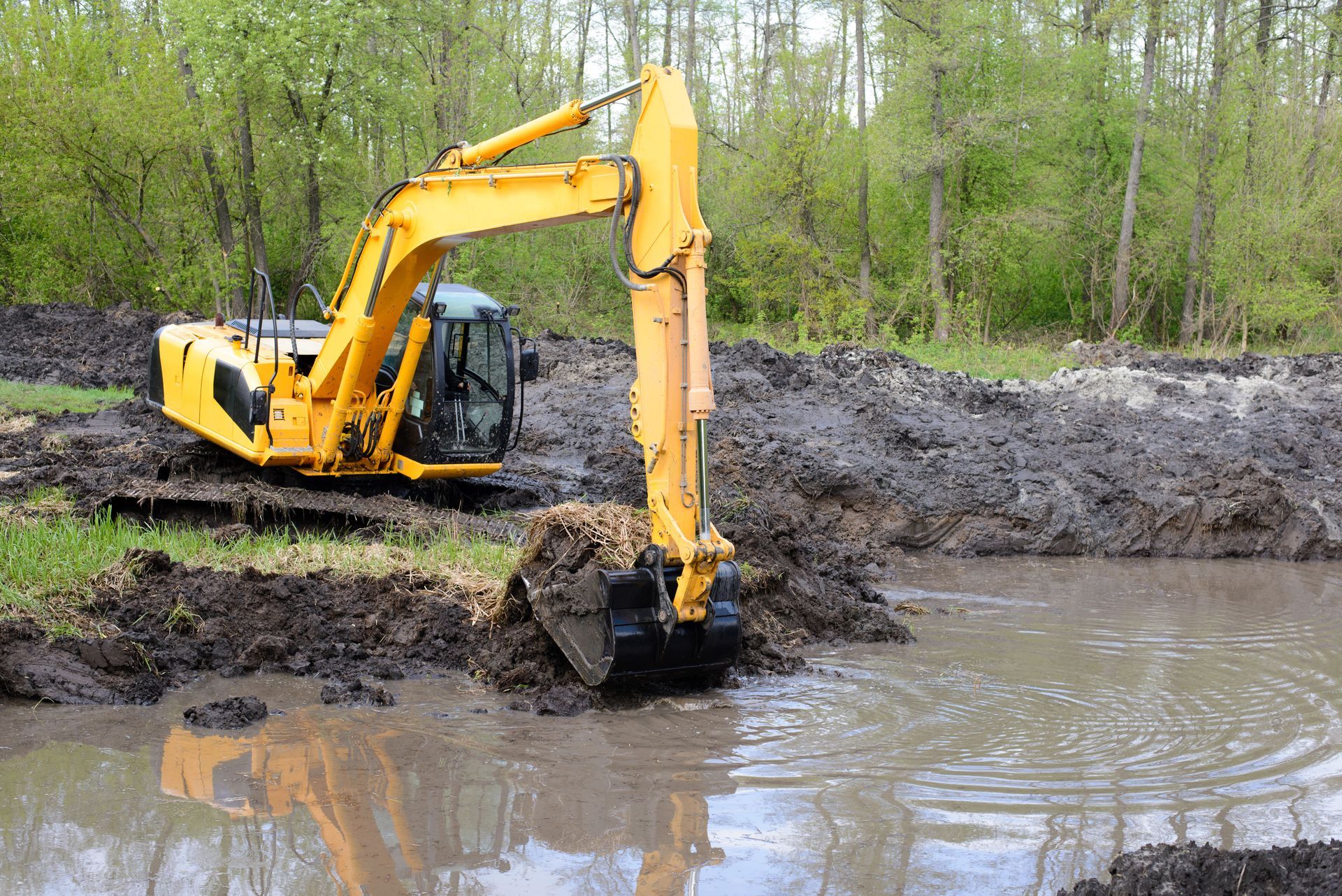
Once the planning stage is complete, excavation begins. This stage transforms the initial design into a physical pond basin capable of holding water and maintaining structural stability. Excavation requires removing significant quantities of soil, shaping slopes, and forming the pond floor to the proper depth. Hauling services support this work by continuously transporting excavated material away from the site or relocating it for use in building embankments and surrounding landscape features.
Heavy machinery such as excavators, bulldozers, and loaders is typically required to perform these tasks. Hauling services ensure that these machines are delivered safely to the site and repositioned as needed during the excavation process. Efficient equipment transport keeps construction moving forward and prevents downtime caused by unavailable or improperly staged machines.
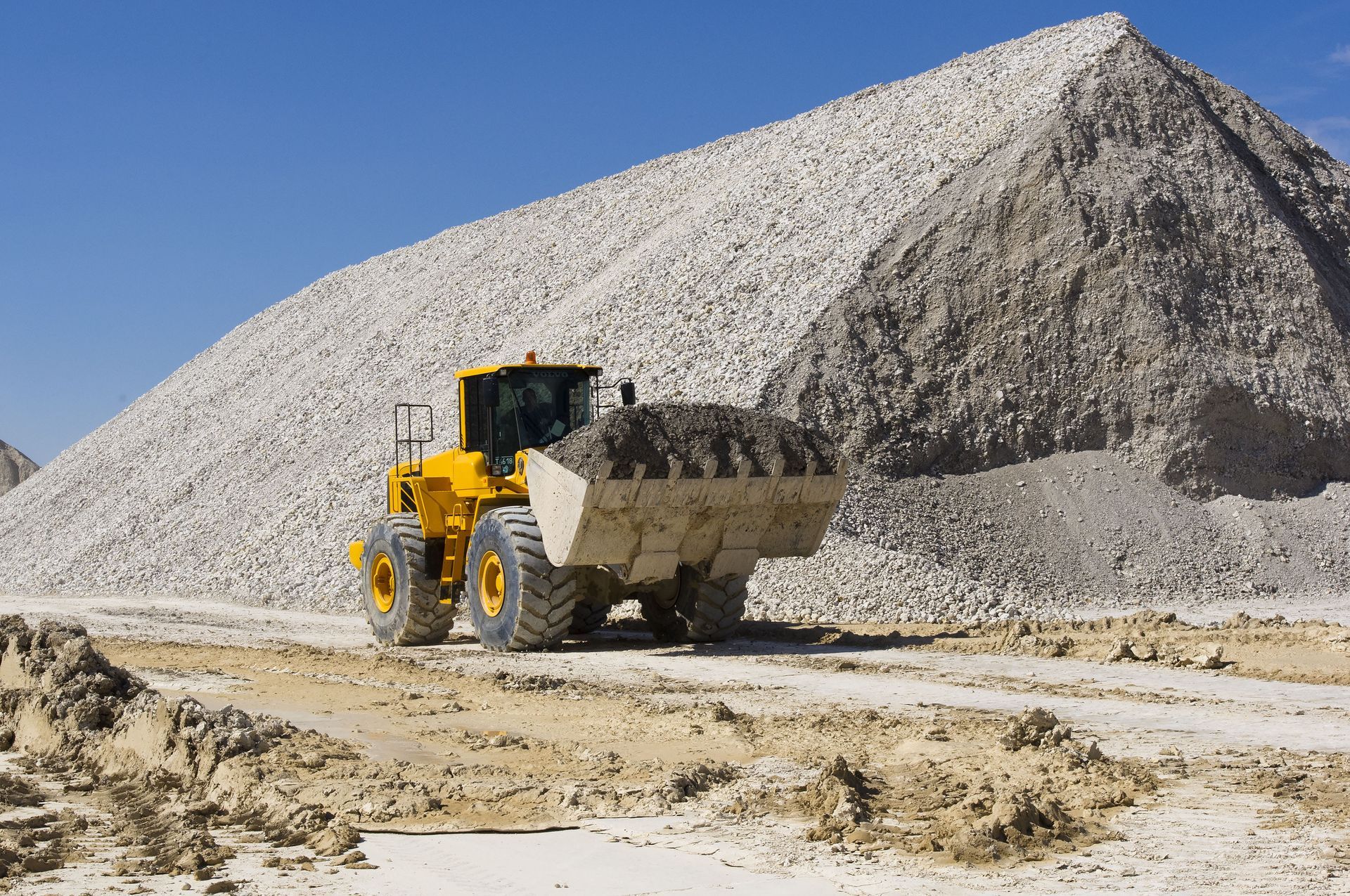
Excavation also requires careful soil management. Some soil may be reused to construct berms or strengthen the pond’s edges, while excess material must be transported off-site. Hauling services handle the removal of surplus soil, preventing piles of loose dirt from creating safety hazards or obstructing work areas. By maintaining an organized flow of materials, hauling professionals help crews focus on shaping the pond rather than managing debris.
Safety is another key concern during excavation. Heavy machinery and deep trenches create potential risks for workers if the site becomes crowded or disorganized. Reliable hauling services help maintain clear working areas by removing debris promptly and ensuring equipment is positioned safely. Their coordination contributes to a smoother and safer excavation process from start to finish.
Transporting the Materials
In addition to removing soil, pond construction requires the delivery of numerous materials that support the structure and long-term stability of the pond. Rock, gravel, clay, and erosion control materials are commonly used to reinforce pond banks and spillways. Hauling services manage the transportation of these materials from suppliers to the construction site, ensuring that the correct quantities arrive at the right time.
Timing is critical during this phase of construction. If materials arrive too early, they may clutter the site and create obstacles for excavation equipment. If they arrive too late, construction crews may be forced to pause work while waiting for supplies. Professional hauling services coordinate deliveries with the project schedule, helping contractors maintain steady progress without unnecessary interruptions.
Storage and staging are also important considerations. Delivered materials must be placed in locations that allow easy access while protecting them from weather damage or contamination. Hauling services work closely with grading crews to position these materials strategically around the site. This careful placement allows workers to quickly retrieve what they need while keeping the site organized and safe.
Efficient material transportation also helps control project costs. By consolidating loads, selecting efficient routes, and scheduling deliveries strategically, hauling services reduce fuel consumption and transportation expenses. These savings can make a meaningful difference in large projects where multiple loads of materials must be transported over several days or weeks.
Managing Water and Environmental Factors
After excavation and material placement are complete, the pond must be filled and prepared to function as a stable water feature. Water management during this stage requires careful coordination to ensure that the pond fills properly and that the surrounding soil remains stable. Hauling services sometimes assist in transporting water when natural sources are not immediately available, particularly during dry conditions or when initial filling must occur quickly.
Environmental protection remains a priority throughout pond construction. Construction activity can disturb soil and increase the risk of erosion if proper precautions are not taken. Hauling services support environmental protection efforts by helping install erosion control materials and removing loose debris that could wash into nearby waterways. Their role in managing soil movement contributes to maintaining a clean and stable work site.
Weather conditions can also influence how quickly the pond can be completed. Heavy rain may slow excavation or cause soil to become unstable. Reliable hauling services help crews adapt by adjusting transportation schedules, relocating materials, or removing excess mud and debris from the site. Their flexibility helps keep the project moving forward even when conditions change unexpectedly.
Proper water management also includes protecting surrounding wildlife and vegetation. By carefully coordinating transportation routes and limiting unnecessary equipment movement, hauling services reduce disturbance to nearby habitats. This approach helps ensure that the finished pond blends naturally with its environment and provides long-term benefits for both property owners and local ecosystems.
Professional pond construction is a complex process that involves careful planning, extensive excavation, precise grading, and responsible material management. Throughout each phase of the project, hauling services provide the logistical support that keeps construction moving efficiently. From transporting heavy equipment and removing excavated soil to delivering construction materials and maintaining a safe work environment, these services are a critical part of successful pond development.
Reliable hauling professionals help contractors manage large volumes of materials while maintaining organization and safety on the job site. Their ability to coordinate transportation, adapt to changing conditions, and support environmental protection efforts makes them an essential partner in pond construction projects. When hauling and grading are handled by experienced professionals, property owners can feel confident that their pond will be built to last while minimizing disruption to the surrounding land.
For dependable hauling and grading support on your next pond construction or land improvement project, contact High Rock Hauling and Grading LLC today.